What Is Colour Grading? A Filmmaker's Guide for Brands and Creators
Learn what colour grading is, how it differs from colour correction, and why it matters for your brand. A practical guide from Sydney colourist Salek Ali.
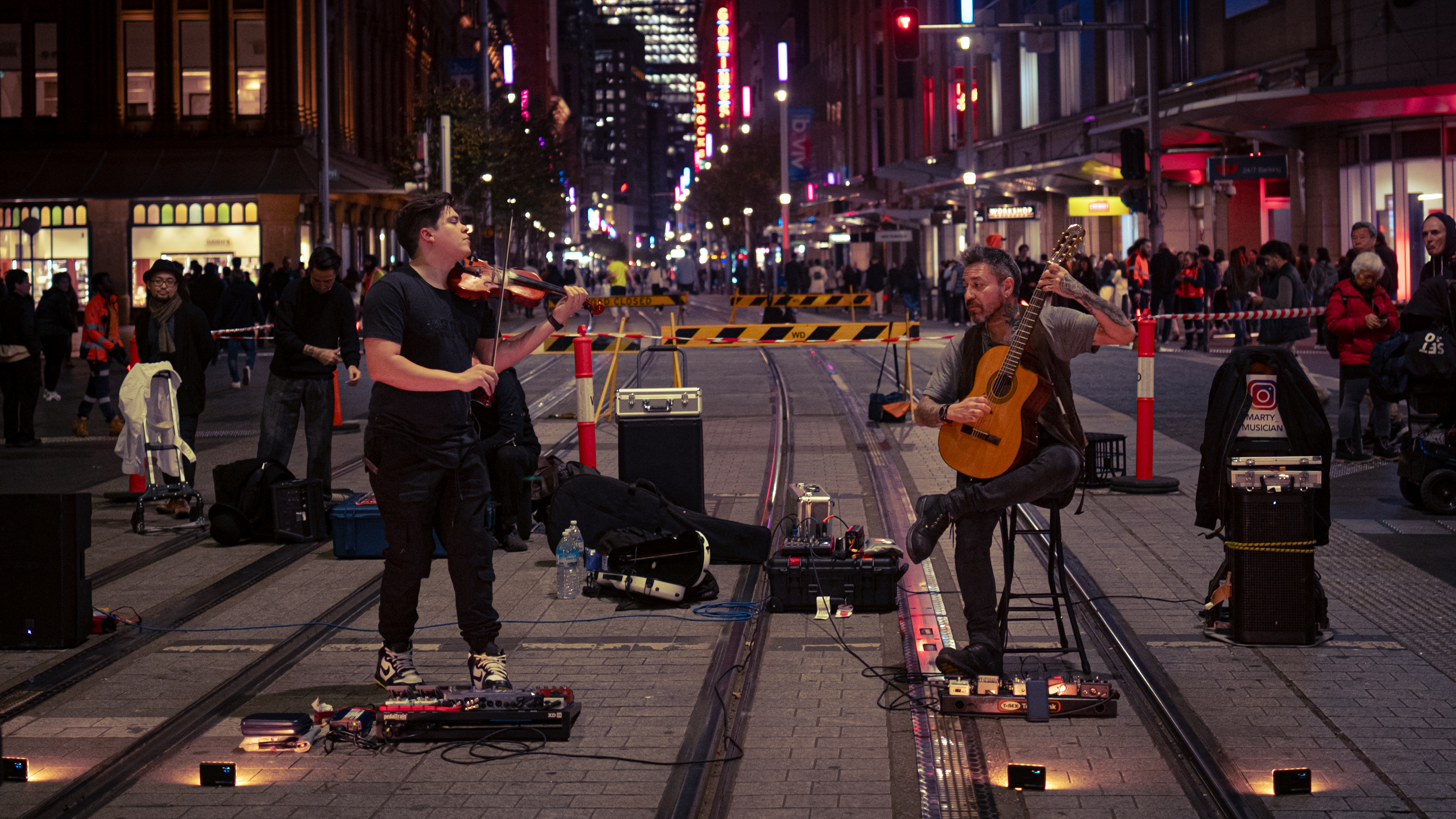
Every piece of footage you have ever watched, every ad, every film, every brand video that made you feel something, was colour graded. It is one of the most powerful tools in filmmaking, and one of the least understood outside the industry. So what is colour grading, really? And why should brands and creators care about it?
I’m Salek Ali, a filmmaker and colourist based in Sydney. I’ve spent years refining how colour shapes story, mood, and audience perception. In this guide, I’ll break down what colour grading actually involves, how it differs from colour correction, and why it might be the missing piece in your visual content.
What Is Colour Grading?
Colour grading is the creative process of manipulating the colour, contrast, and tone of video footage to achieve a specific visual style. It happens in post-production, after the edit is locked, and it’s where raw footage transforms into something cinematic.
Think of it this way: the camera captures information. Colour grading decides how that information feels. Warm and nostalgic? Cool and clinical? Desaturated and gritty? These are all creative decisions made in the grade.
A colourist works with tools like DaVinci Resolve to adjust highlights, shadows, midtones, saturation, hue, and luminance. Sometimes globally, sometimes isolating specific elements in the frame. The result is a cohesive visual identity that ties your entire project together.
If you want to see what this looks like in practice, take a look at my 2025 showreel. Every shot in there has been carefully graded to serve the story.
Colour Grading vs Colour Correction
These two terms get used interchangeably, but they are distinct stages with different goals. Understanding the difference between colour grading vs colour correction will change how you think about your post-production workflow.
Colour correction is the technical stage. It comes first. The goal is to make your footage look neutral, balanced, and consistent. You’re fixing white balance issues, matching exposure between shots, and ensuring skin tones look natural. It’s problem-solving.
Colour grading is the creative stage. It comes after correction. This is where you push the image toward a deliberate look. A mood, an atmosphere, a brand identity. It’s storytelling through colour.
A useful analogy: colour correction is tuning a piano. Colour grading is playing the music. Both are essential, but they require different skills and different intent.
Why Colour Grading Matters for Your Brand
Here’s the honest truth: audiences judge your brand in seconds. Before they read a single word of copy or hear your voiceover, they are already reacting to what they see. Colour is a massive part of that first impression.
Why colour grading matters goes beyond aesthetics. It’s strategic. Here’s what it does for your content:
- Sets emotional tone. Warm tones create intimacy and trust. Cool tones suggest sophistication or tension. The right grade primes your audience to feel what you want them to feel.
- Creates visual consistency. If your brand video was shot across multiple days, locations, or cameras, grading unifies everything into a single, polished look.
- Elevates production value. Even modest productions look significantly more professional after a proper grade. It’s one of the highest-impact, lowest-cost upgrades you can make.
- Reinforces brand identity. Consistent colour treatment across your content builds recognition. Think of how certain brands own a specific visual warmth or coolness.
- Directs attention. A skilled colourist can subtly guide the viewer’s eye to what matters most in the frame. Your product, your talent, your message.
If you’re investing in video content and skipping the grade, you’re leaving impact on the table.
What Does the Colour Grading Process Look Like?
Every colourist works a little differently, but here’s what a typical project looks like when you work with me. I offer remote colour grading, which means we can collaborate regardless of where you are.
- Briefing and references. We start with a conversation. What’s the project? What’s the intended mood? I’ll ask for visual references like stills, films, even paintings. Anything that communicates the direction you’re after.
- Footage review. I assess the raw material. How was it shot? What camera and colour profile was used? Are there any exposure or white balance issues I need to address in the correction stage?
- Colour correction. I balance and match all the footage. This is the technical foundation, making sure everything is clean, consistent, and ready for the creative stage.
- Colour grading. This is where the magic happens. I build the look, shot by shot, using a combination of primary and secondary adjustments, power windows, and qualifiers. Every decision serves the story.
- Client review. I send you a graded version for feedback. We refine together until it’s exactly right. Most projects land in one or two rounds of revisions.
- Final delivery. I export the graded footage in whatever format your workflow requires. ProRes, H.264, or delivered directly to your editor’s timeline.
The whole process is collaborative, efficient, and designed to fit into your existing production pipeline.
Before and After: Colour Grading in Action
Nothing demonstrates the value of colour grading like seeing it side by side. The before and after colour grading difference is often dramatic, and it’s not about making footage look “different.” It’s about making it look intentional.
One of my favourite recent examples is Lorikeets at Sunset. The original footage was shot in a flat LOG profile, deliberately low-contrast and desaturated to preserve maximum dynamic range. Straight out of camera, it looks grey and lifeless. After grading, the sunset warmth blooms, the greens in the foliage separate from the bird plumage, and the whole image gains a richness that draws you in.
These colour grading examples are not about heavy-handed filters or Instagram presets. They are about precision. About knowing which shadows to deepen and which highlights to protect. About making skin tones glow and backgrounds recede.
You can see more transformations across my recent work. Every project in the portfolio has been graded with this level of attention.
Frequently Asked Questions
How much does colour grading cost?
It varies by project scope, length, and complexity. A short brand film might start from a few hundred dollars, while longer or more complex projects scale accordingly. I offer transparent pricing. Get in touch and I’ll give you an honest quote based on your specific project.
Can you colour grade footage shot on a phone?
Absolutely. Modern phones capture great footage, especially when shooting in LOG or flat profiles. Grading can elevate phone footage significantly. That said, the better the source material, the more room there is to push the grade creatively.
What software do colourists use?
DaVinci Resolve is the industry standard, and it’s what I use. It offers unmatched control over every aspect of the image. Other professional tools include Baselight and Lustre, while many editors use built-in grading tools in Premiere Pro or Final Cut Pro.
What is the difference between colour grading and a LUT?
A LUT (Look Up Table) is essentially a preset, a one-size-fits-all colour transformation. Colour grading is a skilled, manual process where every adjustment is tailored to your specific footage and story. LUTs can be a useful starting point, but they are never a substitute for a proper grade.
Ready to Elevate Your Next Project?
Now that you know what colour grading is and why it matters, the question is simple: is your content getting the treatment it deserves?
Whether you’re producing a brand campaign, a short film, a music video, or social content, a professional colour grade is one of the smartest investments you can make in your visual storytelling.
I work with brands, agencies, and independent creators across Australia and internationally. If you have a project that needs grading, get in touch. I’d love to hear about it.